![The Buddhist Centre [Live]](https://thebuddhistcentre.com/stories/toolkit/wp-content/themes/TBCO-Sites/images/logo.png)
DHYĀNA AND INSIGHT
A home retreat with Tejananda, exploring the meeting point of calm and insight Watch practice sessionsDonate and support Home RetreatsWhat is a Home Retreat? (click to read)
Home Retreats can be tailored to your needs.
We provide:
- Live Home Retreat events daily
- Specially curated Dharma resources
- A chance to catch up each day on the event sessions by video if you missed them – so you can do the retreat in your own time
- Share your own inspiration and reflections on the private retreat Padlet space (shared by email)
- A chance to connect with the retreat leader to ask questions about your practice
Whether you have the time to engage with a full-on, urban-retreat style week at home – or are super occupied already with kids or work and just want some useful structure to book-end your days with a little calm and inspiration: this is for you.
On this retreat, I will be offering embodied approaches to dhyāna (jhāna) that people have found to be helpful and effective. This may well involve questioning both our own views and approaches, as well as some of what the tradition has to say about dhyāna.
Dhyāna is far more than samatha, or mental calm. Recognising the liberative potential of the first dhyāna was the key to the Buddha’s own awakening and he taught dhyāna as inseparable from insight. Only later did the tradition come to regard the dhyānas as ‘just’ states of concentration.
The dhyānas are, rather, states of deep, embodied mental unity, integrated with awareness of the foundations of mindfulness (satipatthana) and the factors of awakening (bojjhanga). Dhyāna is where insight takes place.
In practice, we’ll ask, ‘what, in our experience, is actually helpful?’ By becoming alive to the energetic immediacy of body experience, resources for entering dhyāna can be discovered as already present – just waiting to be noticed. We’ll explore this in direct experience and delve into the relationship between body, dhyāna and liberative insight.
All our events are offered by donation. If you can, donate to allow others who can’t afford it to access these vital Dharma resources when they need them most. Thank you!
Suggested donation:
£175 / $230 / €205 for the whole retreat, or drop in for £30 / $40 / €35 per day.
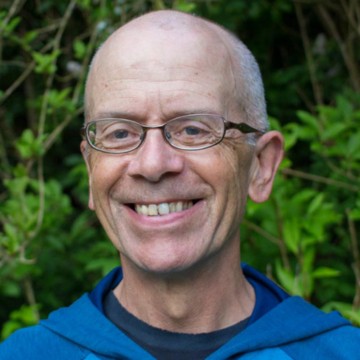
Welcome to the retreat
Day 1
watch the Live PRACTICE sessions
Tejananda frames an embodied approach to jhāna: a light samādhi that becomes available once the five hindrances ease, drawing on the Pāli Canon’s descriptions (e.g., vitakka–vicāra falling away in deeper stages) and highlighting how insight can arise in jhāna by attending to impermanence (with the other marks—unsatisfactoriness and not-self—implicit). He distinguishes the physical body from the sensate/somatic body, invites letting go of an imputed center, and emphasises “being the breathing body” rather than observing it as a separate self.
The session includes a guided practice: settling into whole-body somatic awareness, using the breath to help the mind gather, noticing hindrances as anything that pulls attention out of embodiment, then opening to the six sense fields and resting in just sitting. In Q&A, Tejananda addresses rapturous energy (pīti) that can arise with concentration, how to modulate it, and practical ways to stay grounded while allowing ease to develop.
After a short introduction, Tejananda starts the session with a meditation working further with embodiment as an approach to jhāna, infused with metta. He explores the energy body as an approach to this embodiment, while calling on the mindfulness practice as a source of anchoring. Further deepening the meditations through reflections on the absence of an ‘I’ in the meditator’s experience. He ends the meditation with a period of opening out into awareness through the body.
This is followed by a period of chanting and drumming. Tejananda contextualises the ritual and practice overall as an effort towards awakening rooted in ethics. The period of ritual therefore starts with the chanting of the refuges and five precepts.
The session ends on break-out groups where people were invited to share their experience of the retreat so far.
Tejananda presents an integrated, embodied approach to jhāna, contrasting the Visuddhimagga’s disembodied emphasis with the Pāli suttas’ instructions to remain with the body. He situates the work within Satipaṭṭhāna, bringing in the three marks (anicca, dukkha, anattā) and appamāda (heedfulness), then leads a guided practice: attuning to the sensate/“energy” body as the doorway into jhāna, letting the breath be known as part of the whole “breathing body,” noticing hindrances without pushing or fixing, and widening into open awareness of all six sense fields.
In Q&A, Tejananda addresses strong feeling-tones, including grief and rapture (pīti), and how to modulate them by staying with raw sensation rather than the story about it—evoking the Bāhiya teaching (“in the sensed, just the sensed”). The session closes by reaffirming how light samādhi and insight can unfold together through embodied attention and simple, continuous knowing.
Day 2
watch the Live PRACTICE sessions
Tejananda presents an embodied approach to jhāna, grounding the work in ethics, recognizing and easing hindrances, and favouring the “whole breath body” over a narrow nostril focus. Drawing on the Ānāpānasati Sutta, he works with a consciously long breath, suffusing awareness through the whole body and calming body and mind; he contrasts later Visuddhimagga notions of access/appanā with the early Pāli sources, and cites the Samaññaphala Sutta’s image of rapture and happiness suffusing the body (the bath-powder simile).
A guided practice follows: settling into the sensate/“somatic cloud,” discerning proliferation versus ease, then choosing what helps now (hara-based breathing, a longer breath, or simple counting) while staying with the whole-body field. In Q&A, Tejananda responds to pain and strong energy—suggesting widening to the full sensitive sphere, including any pleasure, and gently modulating intensity—underscoring how light samādhi and insight can develop together through embodied attention.
Tejananda develops an embodied approach to jhāna, starting with somatic ways to meet the hindrances: locating the heart centre, sensing the central channel, and—even if one isn’t “into chakras”—briefly lifting attention above the head to brighten dullness. Practice moves into whole-field awareness of the “sensitive/energy body” (his “somatic cloud” metaphor), using the breath as an initial anchor and then, as hindrances ease, letting attention rest directly in subtle well-being and pleasure, encouraging a gentle inner smile to support continuity of samādhi.
The session then offers a reading from the Samaññaphala Sutta on the four jhānas—including the description of the second jhāna as “rapture and pleasure born of composure, with unification of awareness”—and closes with chanting the Tara mantra.
Tejananda frames the session as an approach to the first jhāna through loving-kindness, then reviews practical ways to meet the five hindrances: noticing their feeling-tone, reflecting on impermanence and the limited payoff of sense desire, countering ill-will with mettā and compassion, and making simple adjustments for sloth-and-torpor. He explicitly cites the Satipaṭṭhāna Sutta on knowing how hindrances arise and pass.
Guided practice follows: establishing posture, attuning to the whole “somatic/energy” field, letting subtle pleasure become the primary object as composure deepens, and relaxing effort so samādhi and insight unfold together. A brief closing meditation highlights present-moment arising and passing (including very rapid sensate vibration) and touches on the “three myths” of the spiritual life—self-surrender, self-discovery, and self-development—as a light framing for ongoing work.
Day 3
watch the Live PRACTICE sessions
Tejananda clarifies working with hindrances, points to recognising the jhāna factors—pīti and sukha—and uses the early-discourse bath-powder simile to describe how pleasure and happiness can permeate the whole body. Entry options include hara-based breathing, a consciously longer breath, or brief counting, always returning to the “whole breathing body” rather than a narrow point of focus.
A guided practice follows: settling into broad somatic awareness, easing effort, letting the body-sense unify, and resting in just sitting when conditions allow. In Q&A, Tejananda addresses modulating rapture, distinguishing happiness from the mere absence of hindrances, and staying grounded by widening to the full sensitive field while allowing ease to develop.
Tejananda clarifies his use of “access concentration,” referencing Leigh Brasington and favouring samādhi as integration rather than narrow “concentration.” He frames the session with the awakening factors (mindfulness, investigation, energy), then sets up practice: establish posture, scan and soften the body, inhabit the whole field, and use mindfulness of breathing to keep returning to the whole body. He names subtle hindrances such as “sinking” and “drifting,” suggests simple returns to the chosen object, and introduces muditā and mettā to counter low tone or discouragement.
A guided jhāna practice follows: recognise when hindrances fall away, allow bodily well-being to show as pleasure (pīti) and a quiet happiness (sukha), and “maintain the conditions” rather than straining for results. The sit closes by widening into open awareness of all six sense fields, after which the group chants the refuges and precepts and the Amitābha mantra.
This session centres on entering the first jhāna. Tejananda clarifies the jhāna factors, contrasting vitakka/vicāra as “thinking” (Nikāyas) with later readings, and noting discussion of ekaggatā (one-pointedness). He cites Leigh Brasington’s practical approach and Bhikkhu Analayo’s scholarship, and nods to Rob Burbea’s treatment of these themes. Practice then builds conditions rather than forcing results: settle posture, scan and soften tension, ground attention in the hara, and use either mindfulness of breathing or mettā as an entry while opening to a broad, somatic “whole-body” field.
Guidance emphasises letting hindrances fall into abeyance and allowing the “energy body” to show its felt qualities—pīti (energetic pleasure) and sukha (quiet happiness)—maintained with minimal effort (even a light inner smile). Tejananda highlights how breathing naturally quietens as samādhi deepens, and closes by widening into open awareness of all sense fields.
Day 4
watch the Live PRACTICE sessions
Tejananda hits the ground running and begins this session by addressing the question – why cultivate Jhāna? He brings out the link between satipatthana, the Jhānas, the hindrances and awakening; bringing attention to how the hindrances arise and cease with the Jhānas developing and deepening insight into the awakening factors. Sati, dhamma nikāyas (investigating experience), virya, piti, tranquillity, samadhi, vipekkha (insight practice), This follows a period of meditation that deepens and builds on the previous sessions’ exploration of the first 2 Jhanas. This is followed by questions and answers and a short ten-minute break.
In the second period of the session, Tejananda gives some more instructions on working with the different dhyanas as centring in different parts of the body. He focuses on the third Jhāna and the image of the body suffused by a lake. This is followed by a period of meditation exploring the third Jhāna.
He ends the session by taking some final questions.
Tejananda Wakeman encourages us to inhabit the whole breathing body while letting go of any image of “the body” and any stance of a separate observer—attending instead to a mass of sensations. Guidance emphasises allowing pīti and sukha to gather with lessened conceptual activity and greater unification, using the image of a spring bubbling up from the lake bed to suggest a more spontaneous ease as attention deepens.
Tejananda gives a short reading from the Kālākarāma Sutta (with its refrain of non-conceiving across the senses) and recalls Bāhiya’s teaching—“in the seen, just the seen”—as a pointer to direct knowing. The session includes chanting the Prajñāpāramitā mantra and ends with a brief period of just sitting, widening into awareness of all six sense fields.
Tejananda continues the jhāna training, recapping how to work with the first and move directly into the second when pīti is over-strong. He clarifies the distinction between pīti and sukha, the quieting of vitakka/vicāra, and the role of confidence (saddhā) in the second jhāna, while emphasizing that jhāna is conditioned and not an alternative refuge. A participant also cites Leigh Brasington’s book as a useful resource.
In practice, Tejananda sets posture and poise, invites a brief scan to release tensions, and opens into kindness/goodwill as an entry before settling attention in the “somatic cloud” around the hara. Guidance works with noticing hindrances and mental proliferation, allowing pīti/sukha to balance as samādhi unifies; the sit concludes by letting directed effort fall away and resting in just sitting with all sense fields.
Day 5
watch the Live PRACTICE sessions
Tejananda frames the session around entering the third jhāna, briefly recapping the transition from the first and second and reading the Buddha’s description in which “one drenches, steeps, fills, and suffuses” the whole body with happiness as pīti falls away and equanimity becomes prominent. He stresses not forcing or suppressing difficult material: turning toward hindrances and unresolved emotion is part of the path, and jhāna is understood as conditioned rather than a refuge in itself.
In practice, Tejananda sets posture and poise, invites releasing contractions, and opens with kindness/goodwill before settling attention in the whole “somatic” field (centred around the hara). Guidance emphasises letting pīti quiet and allowing sukha to permeate the body as samādhi unifies; effort then softens, moving into just sitting and widening into awareness of all six sense fields
Tejananda frames a short jhāna sit and then leads chanting. The session opens by settling posture and releasing obvious tensions, inviting kindness/goodwill as an entry. Attention moves to the felt, “sensitive” body—especially the lower torso (hara)—using breath or whole-body awareness to gather samādhi. Hindrances are noted without struggle, letting energetic pleasure emerge. Guidance then explores the transition through pīti and sukha toward the third jhāna, using the classic lotus simile (being suffused “below the surface”) and highlighting how sukha can soften into equanimity.
Practice continues by intentionally re-finding the second jhāna (returning awareness to the heart/chest to re-engage pleasure) and then easing effort to rest in just sitting, opening to all six sense fields. The session closes with chanting the refuges and precepts and a mantra.
This session focuses on integrating insight with the arc toward third jhāna. Tejananda outlines ways to discern impermanence, unsatisfactoriness, and emptiness within jhāna, drawing on the Heart Sutra (the five skandhas as empty of svabhāva) and the seven factors of awakening. He also cites Bhikkhu Anālayo’s critique of equating the four jhānas with the four stages of awakening and recalls the Buddha’s “rose-apple tree” episode from the Pāli Canon to frame jhāna as supportive rather than dispensable.
Tejananda then leads practice: establish poised posture and intention as an act of kindness; attend to somatic energy throughout the body and sense fields; meet hindrances if present, otherwise inhabit the “sensitive body.” Participants stabilize pīti and sukha, allow samādhi to gather, then emphasize the calm ease of second jhāna before softening fabrication toward third—using the out-breath to settle attention into the lower torso/hara and letting effort fall away. The sit concludes by releasing into open awareness/“just sitting,” receptive to whatever arises across the sense fields.
Day 6
watch the Live PRACTICE sessions
In this session, Tejananda frames the session around entering the fourth jhāna, quoting the Pali canon on “suffusing the whole body with pure equanimity and mindfulness”. He clarifies that contact with the body remains through a subtle “energy body,” not as something mystical but as lived somatic experience.
A short reading is offered to distinguish pīti (rapture) from sukha (pleasure/comfort), drawing on teachings about the seven factors of awakening.
Guidance emphasises allowing the field of awareness to become unbounded, letting any residual pīti/sukha quiet, so that equanimity and clear mindfulness permeate the body as samādhi stabilises. The sit then eases into just sitting, resting in spacious, unaffected awareness.
Tejananda leads a guided traverse of the four jhānas. The sit opens with mettā—kindness and goodwill—suffusing the whole body, then attends to pīti and sukha, noticing hindrances and letting ease return as attention unifies. Guidance moves through the felt spaciousness and subtle pleasure of the third jhāna toward the fourth, emphasizing equanimity and clear mindfulness “suffusing the whole body,” with awareness resting in the whole somatic field and then opening to the six sense fields at zero distance.
The session closes with a short reading that formulates “This is dukkha… this is the arising… this is the cessation… this is the path,” followed by chanting the Ratnasambhava mantra, and a brief period of quiet sitting.
This session continues an exploration of jhāna practice through teaching and Q&A, focusing on how mettā supports concentration without becoming a “struggle for a state.” Tejananda clarifies how mettā can be a subtle “tone” that reshapes the felt-sense of the body (including working with chronic pain), and how to relate to “progress” with a don’t-know attitude rather than striving.
The session then includes a guided meditation that tracks attention through the body and into increasingly refined stillness, emphasizing equanimity and clear knowing (paññā/“pajāna”) while directly noticing impermanence, unsatisfactoriness, and not-self even in subtle, pleasant states. Attention is then guided back “up” through the jhānic terrain—re-engaging ease, pleasure, and embodied sensitivity—before closing with brief reflections on what arises (sleepiness, posture, pressure/heat, heart-centre tension) and how to meet it with steadiness and kindness.
Day 7
watch the Live PRACTICE sessions
This session begins with a Q&A followed by a longer period of meditation, allowing more time to rest deeper into each Jhāna. Tejananda emphasises throughout the discussion the importance of using your intuitive sense when navigating the Jhānas, which came to the fore and then informed the following meditation.
After the break, there was another short period of Q&A followed by a guided meditation, then led through the first three (and into the territory of the fourth) jhānas: attention rests in the “sensate cloud” of the body, orienting to pleasure and happiness as stability deepens into samādhi. The guidance tracks the shifting balance of pīti and sukha, moving the centre of awareness through the heart and lower torso, and opening into a boundless, spacious field where bliss arises of itself and settles into quiet peace and equanimity.
This session guides a meditation that opens from embodied awareness into the jhānas: attention settles in posture and relaxation, notices what is prominent in experience, and relates lightly to any hindrances through the awakening factors (sati, dhamma-vicaya, viriya). The breath is used as an anchor within a broad, whole-body “sensate cloud”, tuning to pleasure, well-being, happiness, and calm as the practice moves through the first three jhānas and towards the equipoise of the fourth, with awareness relaxing into a spacious, effortless steadiness.
From that basis, Tejananda introduces a pointing-out teaching attributed to Guru Padmasambhava, unpacking three contemplations: past thoughts leave no trace, future thoughts are not yet arisen, and present mind rests in its own condition without fabrication. The emphasis stays on recognising rigpa/vidyā as ordinary, lucid clarity without an observer, and the session closes with chanting the Padmasambhava (Vajra Guru) mantra.
We start the closing session of our retreat with Tejananda with a longer meditation, open to the vastness of loving kindness in all it’s unconditional beauty. The invitation is to remain embodied in our experience and notice deeply what’s arising between our sense of mind and body. We can work with any hindrances that come up, we can just sit and be present to the sensate body, the subtle energies that pervade it, and the different states and experiences that can emerge, including pleasure and wellbeing, which can open us into equanimity.
After the sit, Tejananda is open to more questions asked by participants on this retreat, which should prove helpful for any depth engagement with dhyana. He responds creatively to as many as he can! And we end with some rejoicing in his generosity in offering yet another wonderful online space for sustained meditation practice.
Everything we offer is by donation – give today and help us keep it free for everyone!
We hope you find the Home Retreat helpful. We are committed to providing excellent Dharma resources and spaces to connect with community online and go deeper in your practice. And to keeping this free to access for anyone who needs it! If you can, donate and help us reach more people like you.
Make a regular gift and you’ll be supporting Home Retreats through the years ahead.
Thank you from our team and from the online community around the world!
May you be well!
Suggested donation:
£175 / $230 / €205 for the whole retreat, or drop in for £30 / $40 / €35 per day.
Donate online with PayPal

Donate directly with credit or debit card
Other donation methods
If you would like to donate with another payment method (standing order, cheque, bank transfer, etc), please get in touch by clicking here.
Stay connected to community
Subscribe now to get the Triratna Highlights newsletter and we’ll keep you posted by email on new resources as they become available.
If you prefer to get your inspiration on social media, we’ll be there too: connect with us on Instagram, Facebook, Twitter and YouTube.
With deep thanks to Tejananda and the Dharmachakra team for their generosity in setting up the conditions for this retreat, as well as leading live events each day.
Event main image by Maria Louceiro
Site designed and built by Dharmachakra.