
The Dharma Training Course for Mitras
Year OneStudy is a gārava [worthy of reverence and respect] inasmuch as we cannot study Buddhism effectively unless we see it as something higher than we are, as having the power to help us to grow and develop, just as the rain and sunshine help plants and trees to grow.
Sangharakshita, from Who is the Buddha? in volume 3 of The Complete Works.
Welcome to the Dharma Training Course for Mitras. Here you will find all the materials you will need for your study course.
This page is for Year One of the course. Other years are available here:
Note that the old Year 1 materials, written by Vadanya, are available here.
This study course has been compiled by Vajrashura, working for the Sikkha Project, in conjunction with the European Men and Women Mitra Convenors.
INTRODUCTION
The word for training in Pāli is sikkhā (śikṣā in Sanskrit) and it is most usually used in conjunction with the ethical precepts e.g. pānātipātā veramaṇī sikkhāpadam samādiyāmi. But in its personal form – sekha – the term is used more widely in the Pāli tradition to designate anyone who is not yet Enlightened but who is training in the Dharma. It implies both a willingness to learn and someone from whom one learns.
So this course is called a Dharma Training Course in order to draw attention to the need in all of us to train in the Dharma – to be open to the need to learn how to practice the Dharma, and to be open to those who can help us train in that practice.
AIMs of the course
Dharma study is important to the development of insight because while śamatha meditation provides the basis, you need material for reflection so that insight may develop, and you derive that material from study.
Sangharakshita, from Rechungpa’s Journey to Weu in volume 19 of The Complete Works.
The principal aims of the course are as follows:
1. To give you a thorough and systematic training in the principles and practice of the Dharma, particularly as taught within the Triratna Buddhist Community.
2. To create a meaningful Sangha context in which you can explore the Dharma. The group in which you will be exploring the course materials provides a great opportunity for developing both peer friendships and connections with the Order members leading the group.
3. To provide support for a deepening of your own meditation practice. Whilst the course does provide specific input on meditation, this also assumes that you will be meditating regularly through the course and attending meditation retreats from time to time.
4. To give you the skills you need to study and reflect upon the Dharma.
5. To provide, through contact with a wide range of Dharma teachings and texts, inspiration for your practice of the Dharma.
Format for the course
The usual format for the course is a weekly group meeting for which you do some reading and preparation beforehand. So you will need to be able to commit to one evening a week (although some groups do meet more or less than weekly) and also to make time to read and reflect on the material beforehand.
Obviously the more thoroughly you can prepare, the more you will get from the course, but a minimum commitment would probably be an hour or so preparation each week outside of the group meeting.
course Guide
For a full overview of the course, and more information about doing the course, you can read the full course guide.
Study Groups as a Path to Insight
Vajratara explores the value and potential of collective Dharma study. This talk was given at an Order Convention held at Adhisthana Retreat Centre in August 2014. The theme of the convention was The Bodhisattva’s Reply: Triratna Paths to Insight.
Access the student notes by clicking on the picture or on the text link.
All texts are available in Google Docs format. In each document you can:
- Change the text size by going to View -> Zoom
- Download a copy for your e-reader by going to File -> Download -> EPUB Publication (.epub)
- Download a PDF version by going to File -> Download -> PDF Document (.pdf)
- Print the document by going to File -> Print
Part 1
In Part One we begin by looking at how Dharma Study is a spiritual practice, and then spend time getting to know each other more. Then the rest of the module explores each of the Three Jewels that we ‘Go for Refuge’ to – the Buddha, the Dharma, and the Sangha.

1.1 – Dharma reflection as a spiritual practice
Written by Amarapuspa
An exploration of the purpose of Dharma study and dharmakathā – discussion of the Dharma – and the Three Levels of Wisdom.
Available here
1.1 – Teacher’s Notes
Available here

1.2 – Getting to know each other more
Written by Vajrashura
In the week’s group, we’ll be focusing on getting to know each other more, specifically by sharing our ‘life stories’.
Available here
1.2 – Teacher’s Notes
Available here
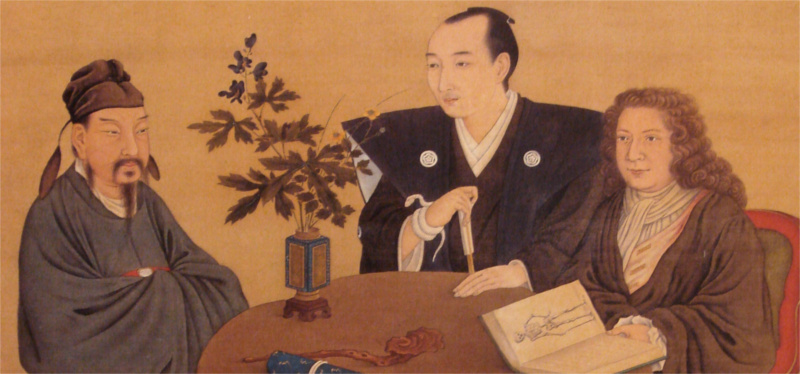
1.3 – What does it mean to be a Buddhist?
Written by Dharmashalin
We look at what ‘Going for Refuge to the Three Jewels’ actually means.
Available here
1.3 – Teacher’s Notes
Available here
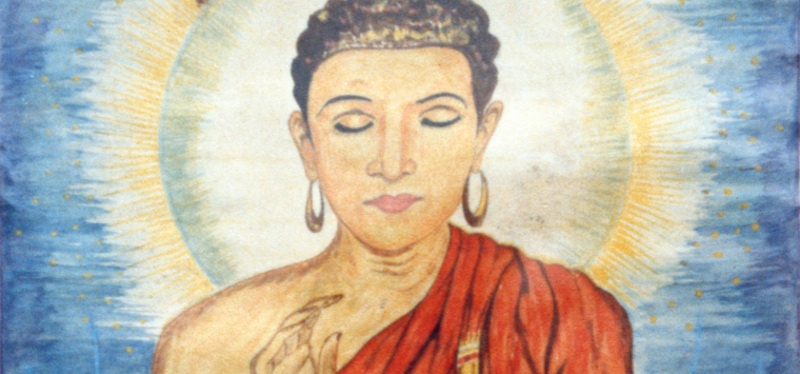
1.4 – The Buddha: Introducing the Buddha
Written by Viryanaya
Looking at how the Buddha represents the ‘Ideal of Human Enlightenment’.
Available here
1.4 – Teacher’s Notes
Available here
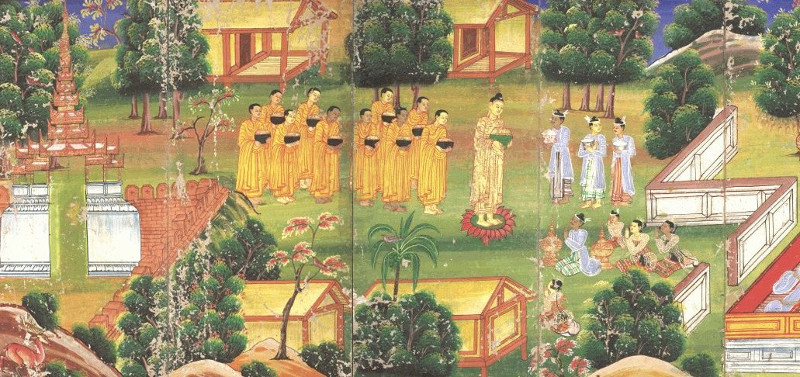
1.5 – The Buddha: The life story
Written by Vadanya and Amarapuspa
Telling the story of how Buddhism started – the Buddha’s quest for Enlightenment.
Available here
1.5 – Teacher’s Notes
Available here
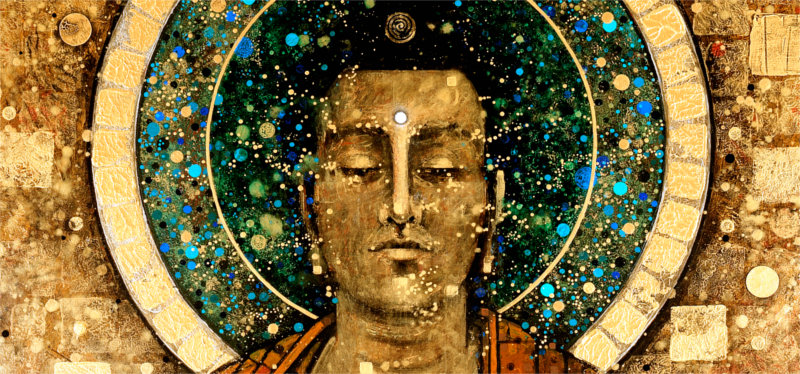
1.6 – The Buddha: The mythic Buddha
Written by Vadanya and Maitrinara
Here we look at a number of these mythic elements in the story of the Buddha’s Enlightenment, and bring out some aspects of their significance.
Available here
1.6 – Teacher’s Notes
Available here
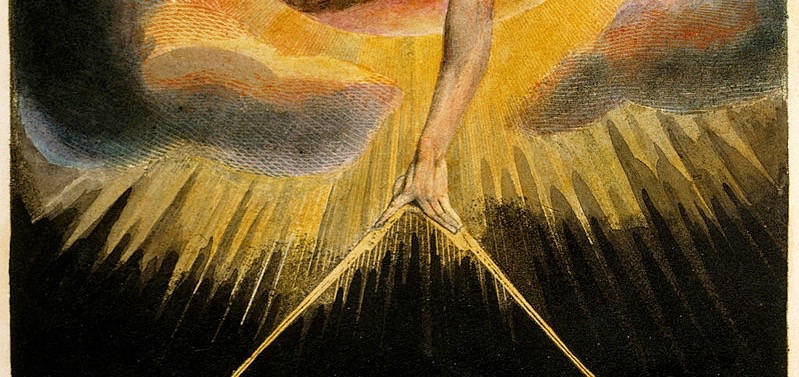
1.7 – The Dharma: The basic analysis
Written by Vadanya and Amarapuspa
What exactly is the Dharma? And what does it mean to ‘Go for Refuge’ to it?
Available here
1.7 – Teacher’s Notes
Available here
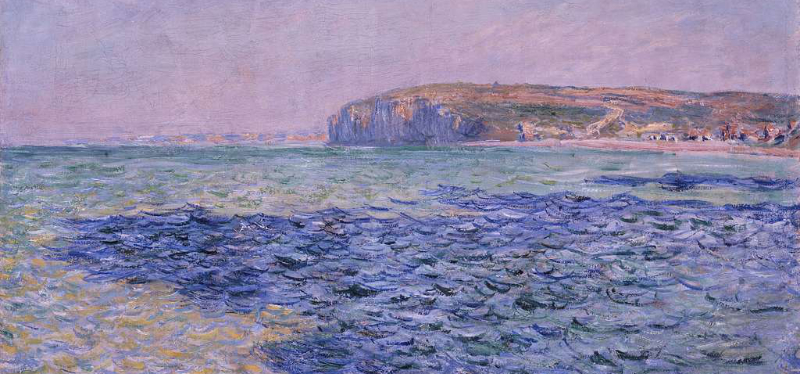
1.8 – The Dharma: The taste of freedom
Written by Vajrashura
Just as the sea has but one taste, the taste of salt, so too does the Dharma has but one taste, the taste of freedom…
Available here
1.8 – Teacher’s Notes
Available here
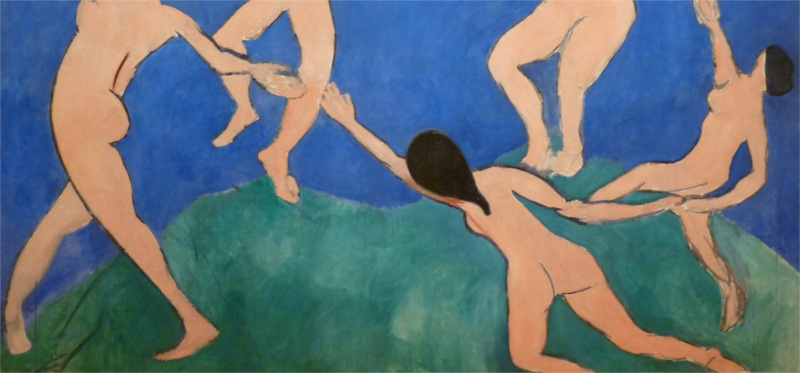
1.9 – The Sangha: Stories of friendship
Written by Vajrashura and Vadanya
The Sangha as a community of people who relate to each other on the basis of spiritual ideals, warmth, generosity, and openness.
Available here
1.9 – Teacher’s Notes
Available here
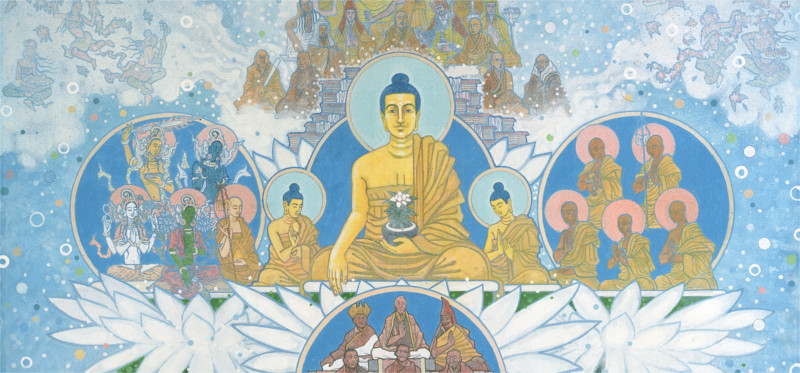
1.10 – The Sangha: Triratna and Sangha
Written by Dharmashalin
Exploring the strong emphasis on Sangha in the worldwide Sangha of the Triratna Buddhist Community
Available here
1.10 – Teacher’s Notes
Available here
Part 2
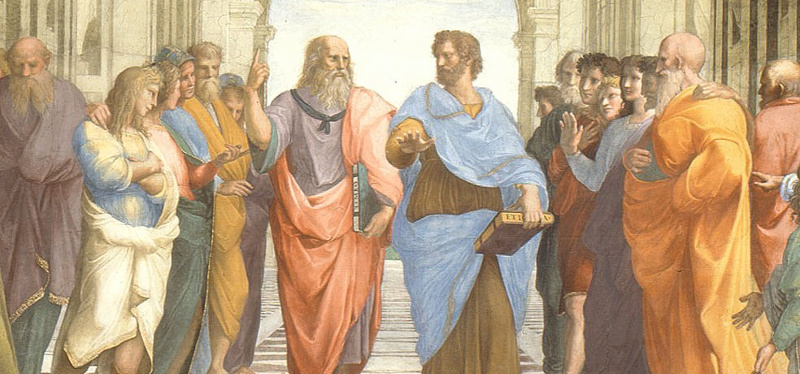
2.1 – Why be Ethical?
Written by Vadanya & Vajrashura
We will look at why ethics is such an important and central part of the spiritual path.
Available here
2.1 – Teacher’s Notes
Available here
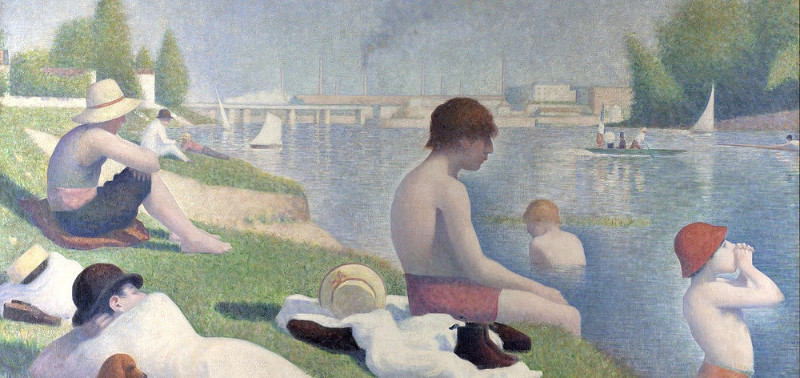
2.2 – The First Precept in Principle
Written by Vadanya and Vajrashura
Exploring the ethical guideline that in a sense underlies all the others, and how it manifests in ‘love mode’ and the ‘power mode’.
Available here
2.2 – Teacher’s Notes
Available here
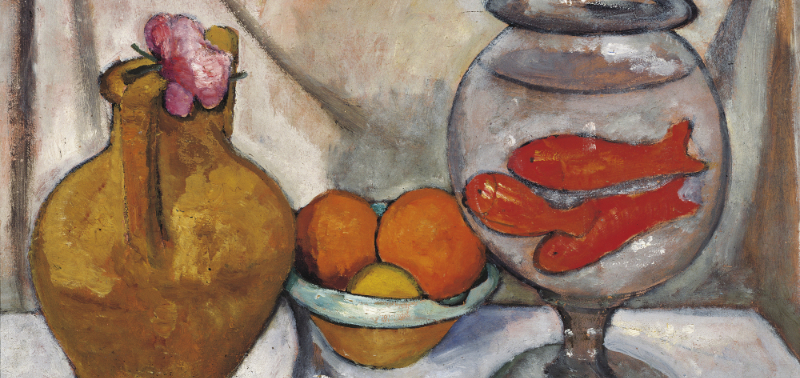
2.3 – The First Precept in Practice
Compiled by Vajrashura, and written by Akuppa and Vajratara
Exploring two particularly important applications of the first precept – vegetarianism / veganism and abortion.
Available here
2.3 – Teacher’s Notes
Available here
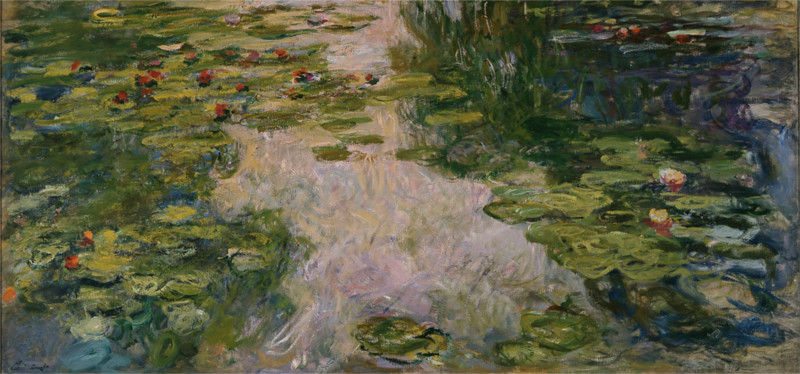
2.4 – The Second Precept
Written by Vadanya and Vajrashura
We explore moving from taking the not-given to generosity, the fundamental Buddhist virtue.
Available here
2.4 – Teacher’s Notes
Available here

2.5 – The Third Precept
Written by Vajratara and Vajrashura
We take an honest look at our sexual behaviour and try to move to greater stillness, simplicity, and contentment.
Available here
2.5 – Teacher’s Notes
Available here
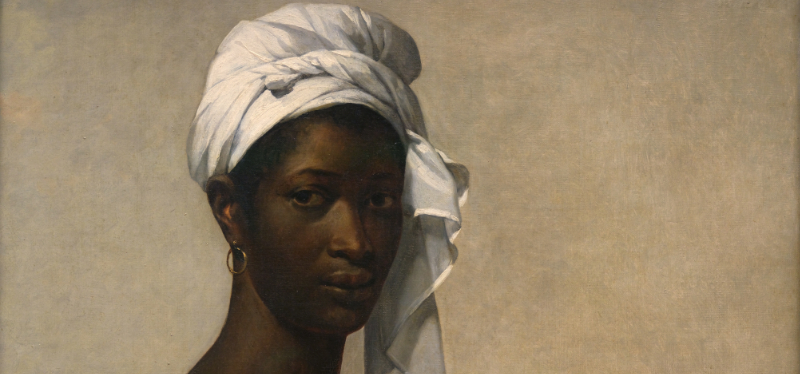
2.6 – The Fourth Precept
Written by Prajnaketu
We look at how we can learn the truth, live by it, and thereby speak from what is true.
Available here
2.6 – Teacher’s Notes
Available here
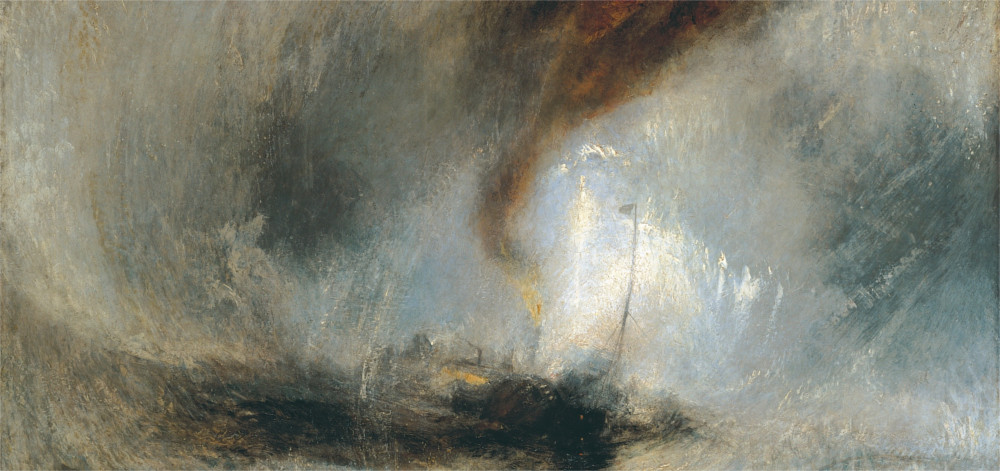
2.7 – The Fifth Precept
Written by Vadanya and Vajrashura
We explore moving from intoxicants into ever greater mindfulness.
Available here
2.7 – Teacher’s Notes
Available here
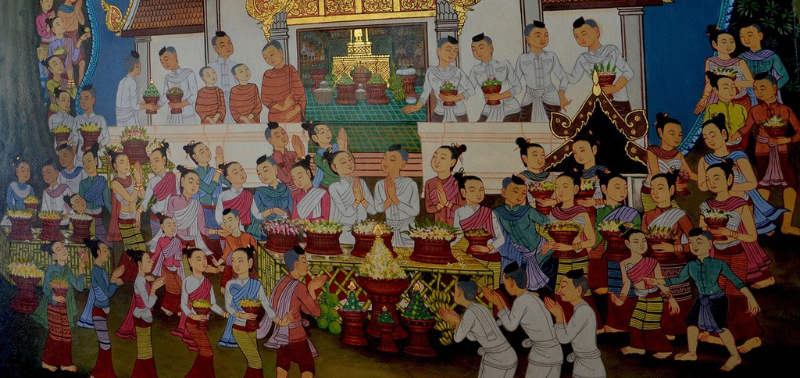
2.8 – The Refuges and Precepts
Written by Vadanya and Maitrinara
Now that we have learned about the Three Jewels and the Five Precepts, we need to regularly chant them to bear them in mind.
Available here
2.8 – Teacher’s Notes
Available here
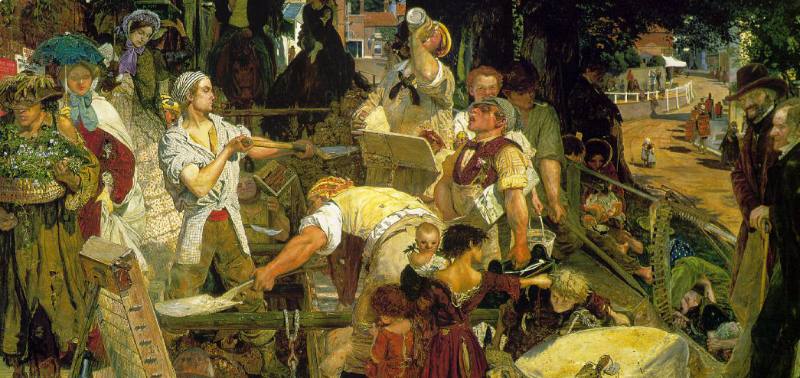
2.9 – Projects
Written by Vajrashura
A short presentation that we each do on something that we found inspiring or stimulating in this module.
Available here
2.9 – Teacher’s Notes
Available here
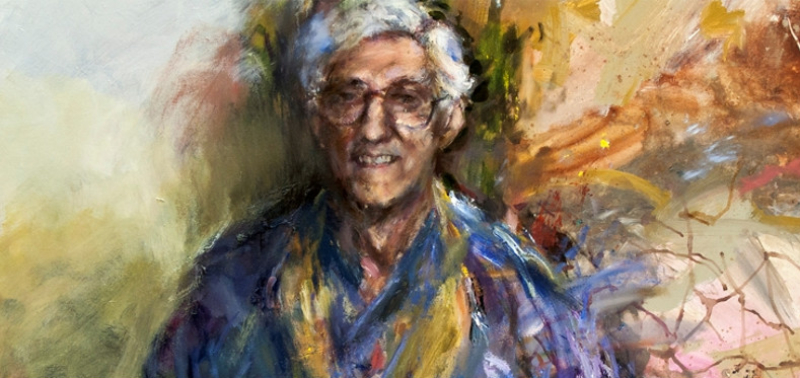
2.10 – Sangharakshita and Ethical Issues in Triratna
Written by Vajrashura
This text is an exploration of ethical issues in Triratna, in particular involving our founder Sangharakshita.
Text coming soon.
2.10 – Teacher’s Notes
Available here (text coming soon)
Part 3

3.1 – What Meditation Really Is
Written by Vajrashura
What is meditation really? What are we trying to do when we sit to meditate?
Available here
3.1 – Teacher’s Notes
Available here
3.2 – Integration and the Mindfulness of Breathing
Written by Maitrinara
We explore the theory and practice of the Mindfulness of Breathing, and see how it can lead to vertical and horizontal integration.
Available here
3.2 – Teacher’s Notes
Available here
The Mindfulness of Breathing - 25 Minutes
Guided Mindfulness of Breathing
Led by Maitrinara, for use this week in your practice.
Download

3.3 – Positive Emotion and the Mettā Bhāvanā
Written by Maitrinara
We explore the central importance of mettā, loving-kindness, and how we cultivate it in the Mettā Bhāvanā.
Available here
3.3 – Teacher’s Notes
Available here
The Mettā Bhāvanā - 30 Minutes
Guided Mettā Bhāvanā
Led by Maitrinara, for use this week in your practice.
Download
3.4 – Working with the Wandering Mind
Written by Vajrashura
We look at how to work with the habitual grooves of distraction and wandering we tend to fall into in meditation – and outside of meditation.
Available here
3.4 – Teacher’s Notes
Available here

3.5 – Moving into Absorption
Written by Vajrashura
We journey through the map of the meditative mind, and how we can move from distraction into ‘access concentration’, and then into full absorption in meditation.
Available here
3.5 – Teacher’s Notes
Available here
3.6 – Spiritual Receptivity and Just Sitting
Written by Maitrisiddhi
Meditation is not all about striving – here we look at how to train our minds in a more ‘receptive’ mode of meditation.
Available here
3.6 – Teacher’s Notes
Available here
3.7 – Spiritual Death and Spiritual Rebirth
Written by Vajrashura
Here we start to develop ‘wisdom perspectives’ on our experience, so that we can go beyond what limits us and into a greater freedom.
Available here
3.7 – Teacher’s Notes
Available here
3.8 – Projects
Written by Vajrashura
A short presentation that we each do on something that we found inspiring or stimulating in this module.
Available here
3.8 – Teacher’s Notes
Available here
3.9 – Becoming a Mitra
Written by Maitrinara
A Buddhist life is a committed life. This text explores how people often commit to the Dharma life in Triratna – by becoming a Mitra.
Available here
3.9 – Teacher’s Notes
Available here
Part 4
4.1 – Wisdom
Written by Ratnaguna
An exploration of wisdom through the lakṣaṇas and corresponding vimokṣa-mukhas.
Available here
4.1 – Teacher’s Notes
Available here
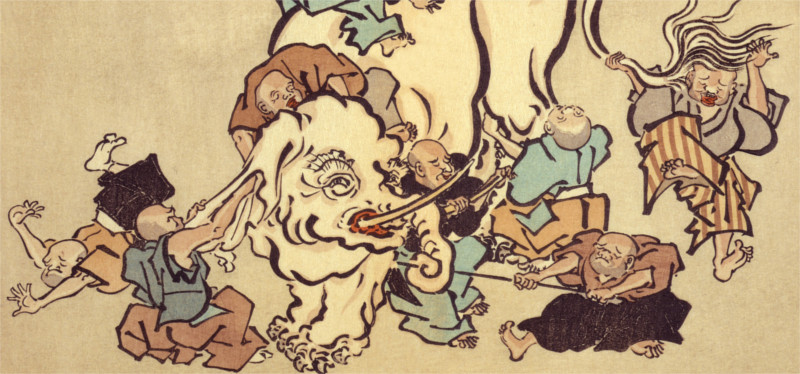
4.2 – The Way to Wisdom
Written by Ratnaguna
We explore the Three Levels of Wisdom – an essential model in cultivating and living from wisdom.
Available here
4.2 – Teacher’s Notes
Available here

4.3 – Conditionality, Karma, and Rebirth
Written by Vadanya
We next explore the central Buddhist teaching of pratītya samutpāda, and its expression in karma and rebirth.
Available here
4.3 – Teacher’s Notes
Available here
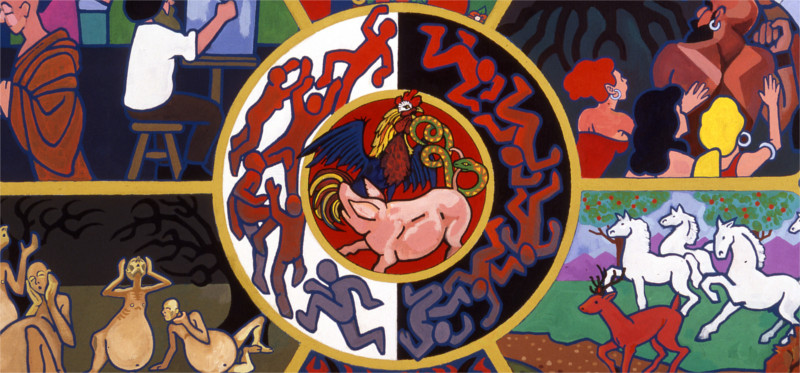
4.4 – The Wheel of Life
Written by Vadanya and Vajrashura
We gaze into the mirror of existence, The Wheel of Life, focusing on the inner two wheels of this great symbol.
Available here
4.4 – Teacher’s Notes
Available here

4.5 – The Wheel and the Spiral
Written by Vadanya and Vajrashura
We look at the most important sections of the circular and the spiral nidānas.
Available here
4.5 – Teacher’s Notes
Available here
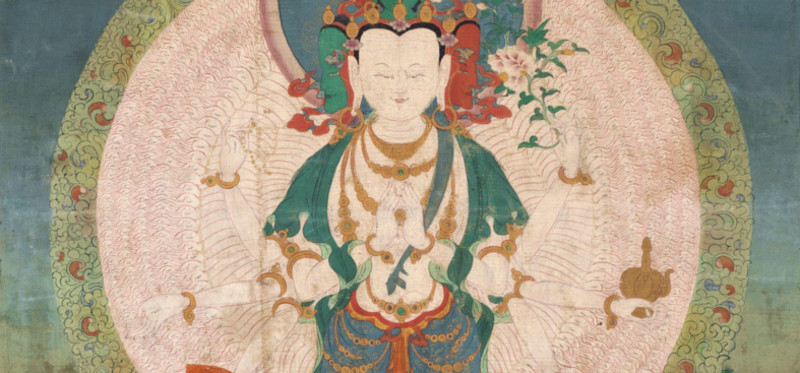
4.6 – The Arising of the Bodhicitta
Written by Vadanya
Wisdom can also be seen in terms of bodhicitta, the arising of selfless compassion for all beings.
Available here
4.6 – Teacher’s Notes
Available here

4.7 – Projects
Written by Vajrashura
A short presentation that we each do on something that we found inspiring or stimulating in this module.
Available here
4.7 – Teacher’s Notes
Available here
Part 5
In the final part of Year 1 we look at the Triratna Buddhist Community and its place in the Buddhist world. To begin, we look at the history and development of Buddhism, and then how Triratna exists in relation to this. We then explore what makes Triratna distinctive as a Buddhist community. We conclude our year’s study together through ritual and dedication, and deciding what our next steps might be.
5.1 – An Overview of the Buddhist Tradition
Written by Vadanya
An exploration of the different historical developments in the Buddhist tradition, and some of the different schools of Buddhism.
Available here
5.1 – Teacher’s Notes
Available here

5.2 – Triratna and the Unity of Buddhism
Written by Vadanya
We explore how the different yānas of Buddhism fit together, and how Sangharakshita’s understanding of them gave rise to the principles of the Triratna Buddhist Community.
Available here
5.2 – Teacher’s Notes
Available here
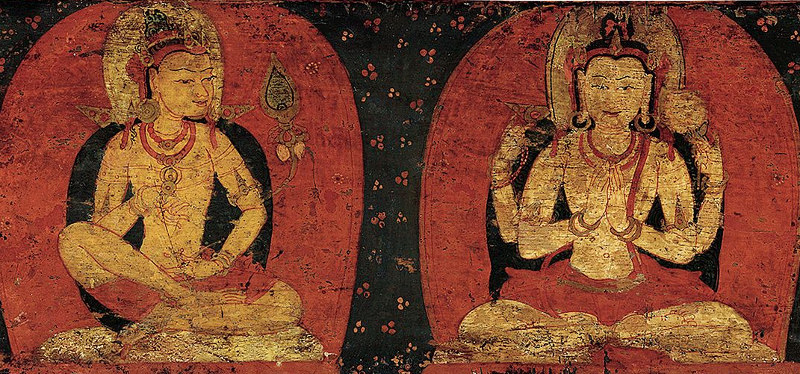
5.3 – The Six Distinctive Emphases: Ecumenical and Going for Refuge
Compiled by Vajrashura
We start our journey through the ‘Six Distinctive Emphases of Triratna’ by looking at how Triratna is an ‘ecumenical’ or non-sectarian community, with Going for Refuge as a central principle.
Available here
5.3 – Teacher’s Notes
Available here
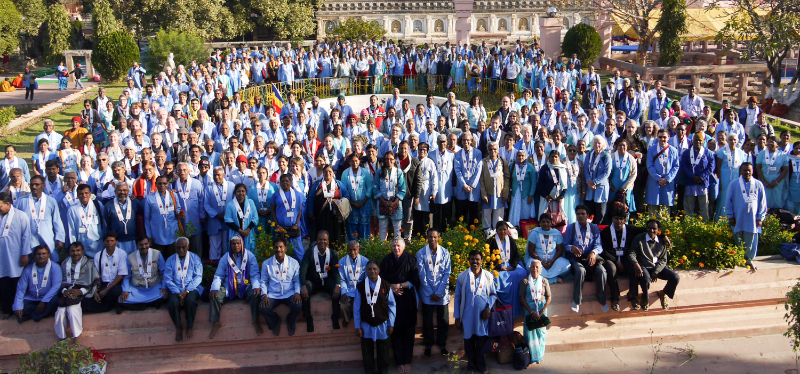
5.4 – The Six Distinctive Emphases: A Unified Order and Spiritual Friendship
Compiled by Vajrashura
We explore how the Triratna Buddhist Order is a ‘unified’ Order, open to all, and the central importance of Spiritual Friendship in Triratna.
Available here
5.4 – Teacher’s Notes
Available here

5.5 – The Six Distinctive Emphases: Work
Written by Vajrashura
Triratna places great emphasis on bringing a Dharma perspective to all aspects of our lives, especially ones we spend lots of time in, such as our work.
Available here
5.5 – Teacher’s Notes
Available here
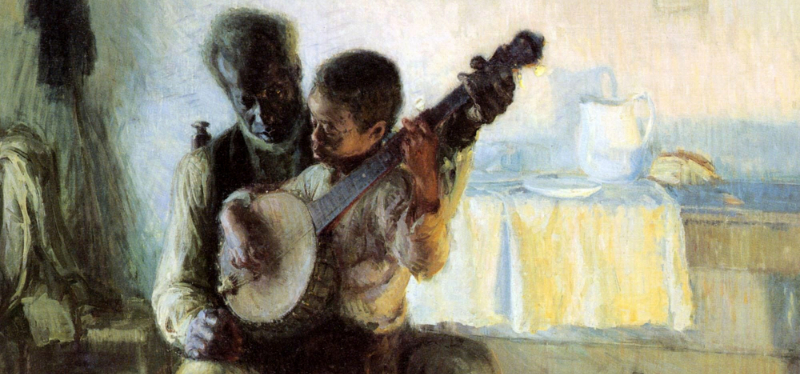
5.6 – The Six Distinctive Emphases: The Arts
Written by Vadanya
We look at how Triratna considers the Arts to be a pathway to beauty, value, and truth.
Available here
5.6 – Teacher’s Notes
Available here

5.7 – Emotional Equivalents for our Intellectual Understandings
Written by Vadanya and Vajrashura
We explore The Sevenfold Pūjā as a way of bringing our emotional depths more fully to the Dharma.
Available here
5.7 – Teacher’s Notes
Available here
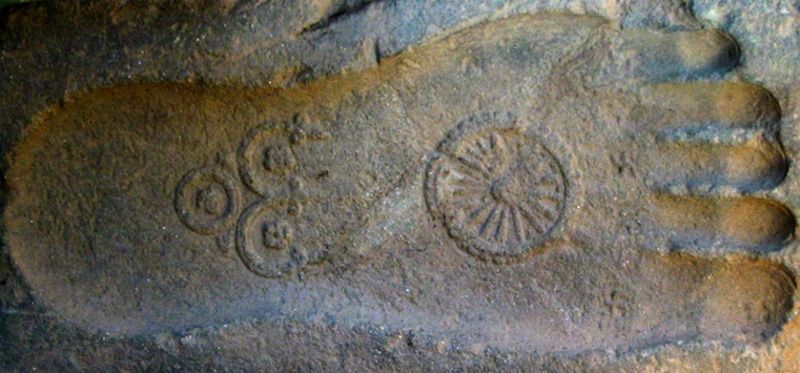
5.8 – Endings and Next Steps
Written by Vajrashura
In our final week of Year 1, we review how far we’ve come, what we’ve learned, and what we might do next in our Dharma journey.
Available here
5.8 – Teacher’s Notes
Available here
Stay connected to the Triratna community
Subscribe now to get the Triratna Highlights newsletter from thebuddhistcentre.com and they’ll keep you posted by email on new resources as they become available.
If you prefer to get your inspiration on social media, you can connect with our wider community on Instagram, Facebook, and YouTube.
This course is designed and maintained by the Sikkha Project.
Sikkha is an International Council initiative, and is funded by Future Dharma.
Web design by Dharmachakra